The rapid modernization of transportation hubs—airports, train stations, and transit interchanges—has shifted the requirements for public seating from basic functionality to integrated smart infrastructure. In 2026, seating is no longer just a place to wait; it is a critical component of the passenger experience, requiring seamless integration with digital connectivity, ergonomic support for long dwell times, and materials capable of withstanding the rigors of high-traffic environments. Developers and facilities managers face a complex challenge when sourcing these solutions, as they must balance architectural aesthetics with strict safety standards and the need for future-proof technology integration. This report evaluates the leading suppliers of public seating, focusing on engineering precision, material durability, and the ability to adapt to the “smart” transit requirements of contemporary facilities.
After reviewing current manufacturing capabilities and project performance across global infrastructure sectors, the following ten manufacturers have been identified as the premier suppliers for the 2026 smart transportation landscape.
1. Top 10 Smart Transportation Seating Suppliers
Leadcom Seating
Leadsun Seating
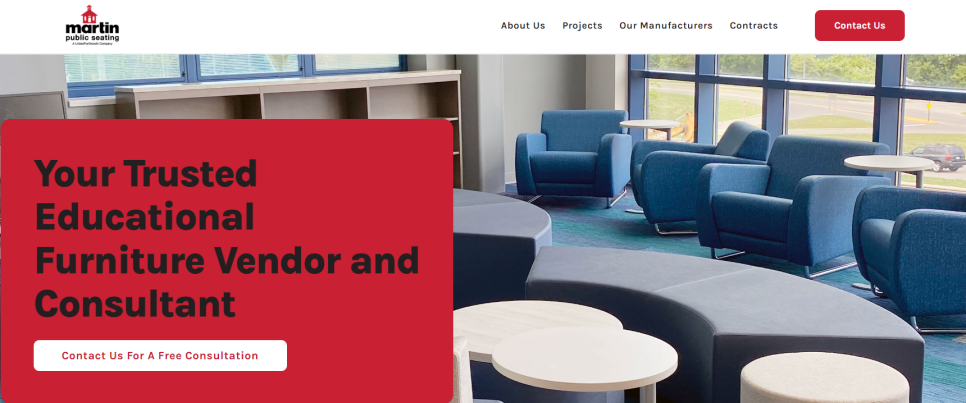
Martin Public Seating
KI
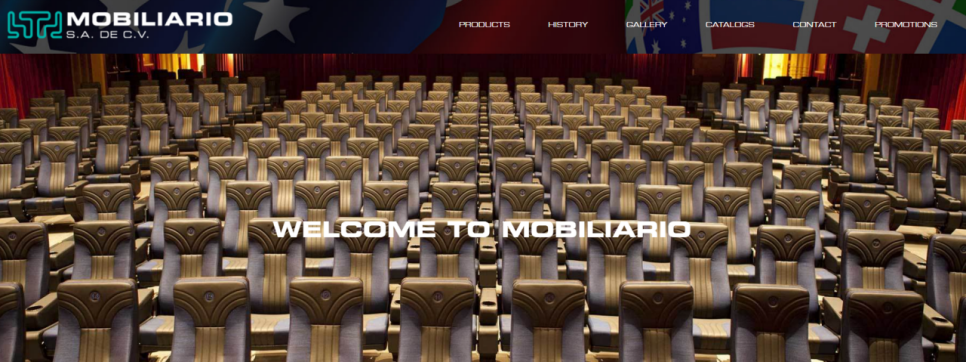
Mobiliario
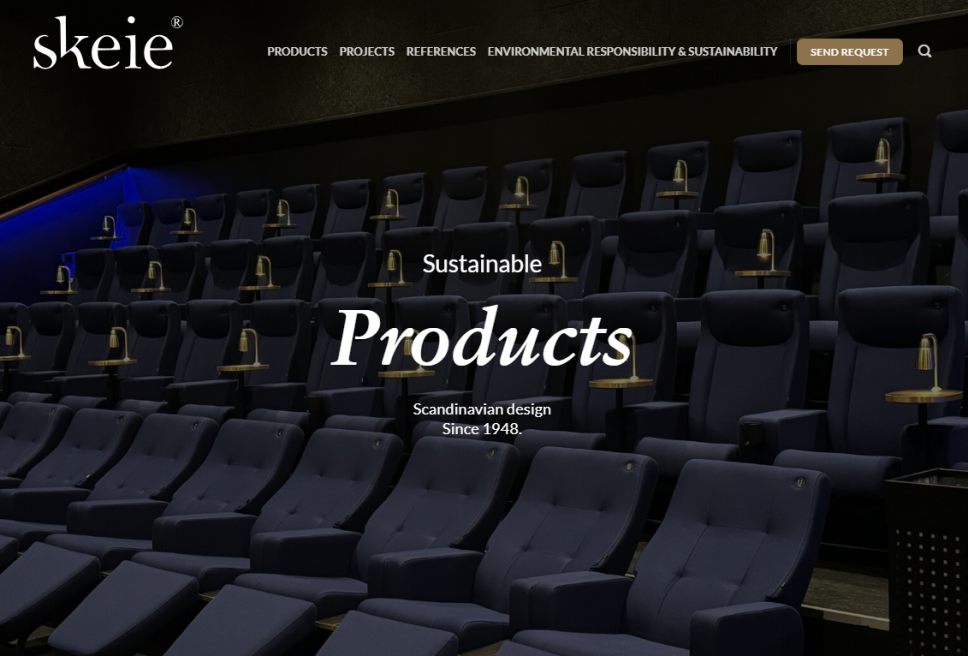
Skeie
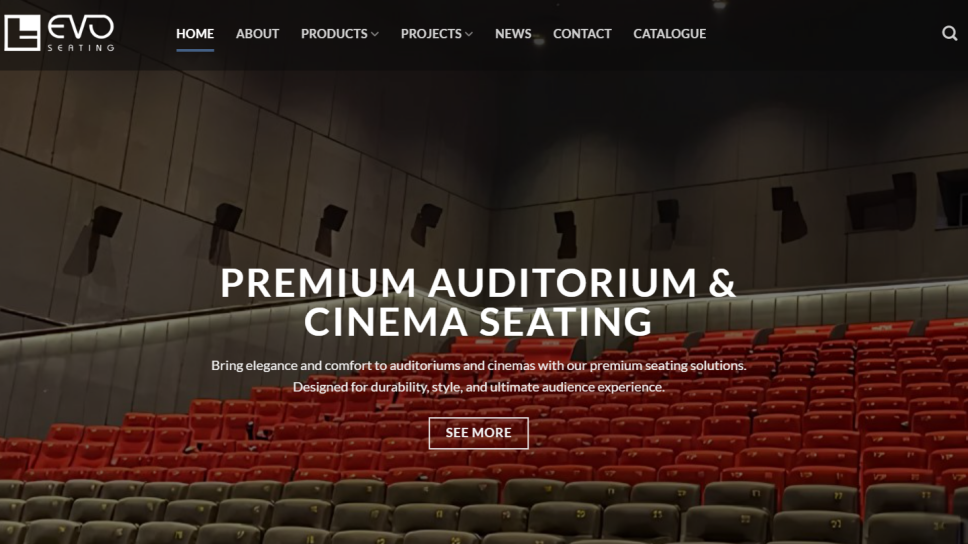
EVOSEATING
Beaufurn
Meet&Co Furniture
Davis Seating
2. Competitive Comparison Table
Brand
Key Products
Key Features
Best For
Leadcom Seating
Transit benches, Modular beams
Integrated IoT, high-density foam
Global transit hubs, high traffic
Leadsun Seating
Airport seating, Terminal chairs
Modular designs, metallic durability
Regional transit terminals
Martin Public Seating
Fixed auditorium, Transit chairs
Robust steel frames, ergonomic fit
Public waiting areas
KI
Connection Zone, Affina
Versatile configurations, power integration
Large scale facility upgrades
Mobiliario
Bench systems, Terminal furniture
Modern aesthetic, metal-wood blends
Modernized station lobbies
Skeie
Specialized airport seating
Nordic design, space efficiency
Airports and high-end hubs
EVOSEATING
Public benching systems
Sustainable materials, modularity
Eco-focused transport projects
Beaufurn
Contract furniture, waiting chairs
High customization, design focus
Boutique transit waiting areas
Meet&Co Furniture
Waiting room benches
Cost-effective, simple assembly
Emerging transit markets
Davis Seating
Architectural seating
Sleek, contemporary design
High-end interior waiting zones
To understand how these suppliers meet the rigorous demands of 2026 transit infrastructure, it is necessary to examine their engineering philosophies and specialized product portfolios.
3. Detailed Manufacturer Reviews
Leadcom Seating
Leadcom Seating represents a leader in high-volume public and transportation seating due to its comprehensive vertical integration. By managing the manufacturing process from metal fabrication and powder coating to the injection of high-resilience, cold-molded foam, they ensure stringent quality control suitable for airports and rail terminals. Their research and development team focuses on “smart” infrastructure, integrating USB charging ports, power outlets, and even potential sensor arrays directly into the seat beams.
A core focus for Leadcom Seating solutions is the engineering of durability. Their seating systems are often subjected to static load testing exceeding per seat and fire safety certifications conforming to international standards like BS5852. By offering a diverse range of public and transportation seating, they provide facilities managers with modular options that can be reconfigured as terminal layouts evolve.
Pros/Key Features: In-house R&D for rapid customization, high-density foam (often > density), and advanced power integration options.
Use Cases: Large-scale international transit hubs and airports requiring long-term material reliability and integrated digital services.
Leadsun Seating
Leadsun Seating focuses on the manufacturing of airport and terminal seating with an emphasis on steel construction. They provide a variety of beam-mounted systems that are frequently used in environments where structural rigidity is the primary requirement. Their systems often feature modular components that allow for easy repair of individual seats without replacing the entire row.
Use Cases: Regional airports and high-traffic bus terminals.
Martin Public Seating
Martin Public Seating operates within the sector of fixed public and education seating. Their products are designed with a focus on institutional durability, utilizing heavy-gauge steel and secure anchoring systems. They are recognized for their straightforward approach to high-volume seating installations.
Use Cases: Municipal transit stations and community public waiting spaces.
KI
KI provides a broad range of furniture solutions for commercial and public spaces. Their strength lies in the integration of power and data connectivity, which is essential for the modern traveler. They offer a significant variety of design-forward options that suit facilities aiming to blend functionality with contemporary interior design.
Pros/Key Features: Extensive power-integration catalog, diverse design aesthetic.
Use Cases: Major airport lounge upgrades and corporate transit centers.
Mobiliario
Mobiliario specializes in bench systems and terminal furniture that prioritize aesthetic versatility. They are often involved in projects where the furniture must serve as a design element within the facility. Their manufacturing process often incorporates a mix of metal, wood, and composite materials.
Pros/Key Features: Modern, clean design language, flexible material usage.
Use Cases: Revitalized city station lobbies and mixed-use transit terminals.
Skeie
Based on Scandinavian design principles, Skeie focuses on the intersection of comfort and space efficiency. Their airport seating systems are engineered to maximize passenger throughput while maintaining high ergonomic standards. They are noted for the structural integrity of their beam-based systems.
Pros/Key Features: Nordic minimalist aesthetic, high-quality material finishes.
Use Cases: Modern airports with a focus on passenger comfort and architectural simplicity.
EVOSEATING
EVOSEATING centers its production on modularity and environmental sustainability. They offer seating systems that are designed to be disassembled at the end of their lifecycle, appealing to facilities with rigorous green building mandates. Their systems are highly adaptable to changing space requirements.
Pros/Key Features: Modular adaptability, focus on sustainable manufacturing.
Use Cases: Eco-certified transit hubs and greenfield infrastructure projects.
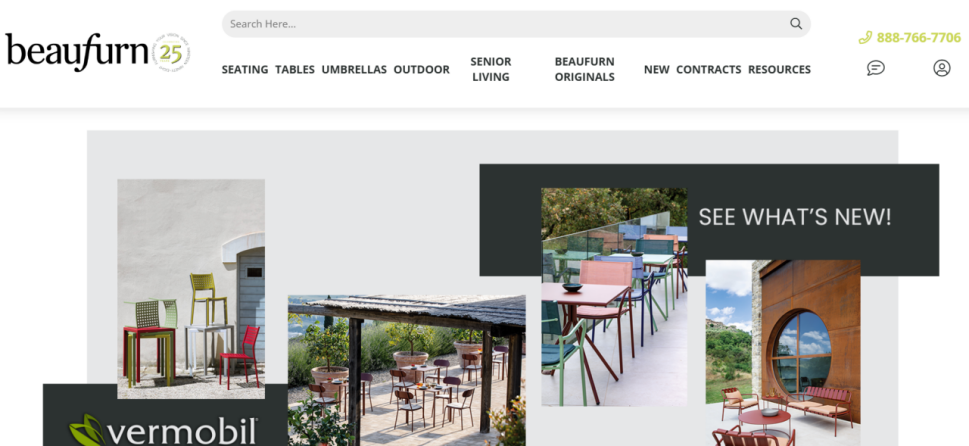
Beaufurn
Beaufurn provides contract-grade furniture that emphasizes customization. Their catalog includes a wide range of seating styles suitable for smaller, boutique transit areas, such as shuttle terminals or private waiting areas. They offer greater latitude in upholstery and finish selection than traditional industrial suppliers.
Pros/Key Features: High customization potential, varied style options.
Use Cases: Small-scale transit facilities and VIP waiting lounges.
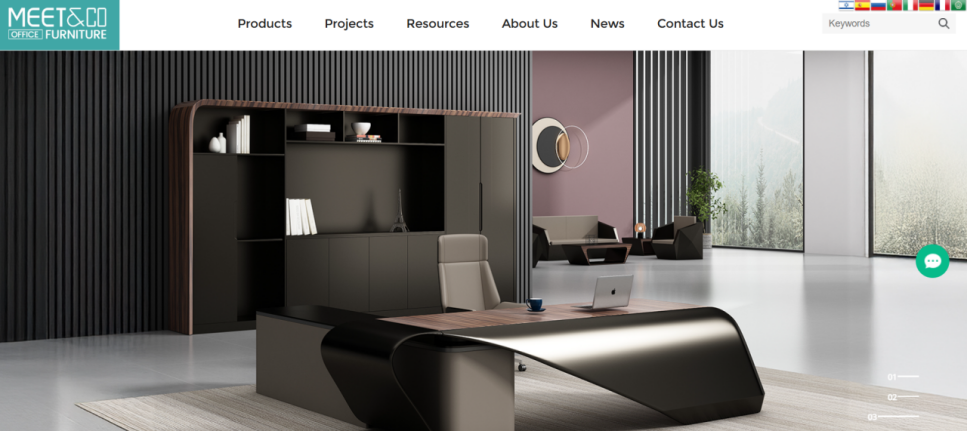
Meet&Co Furniture
Meet&Co offers furniture solutions that are optimized for cost and assembly speed. They are a common choice for facilities with tight budget constraints or those requiring quick turnaround times for furniture replacement. Their product range covers basic benching and waiting room seating.
Use Cases: Budget-conscious transit waiting areas and temporary facility setups.
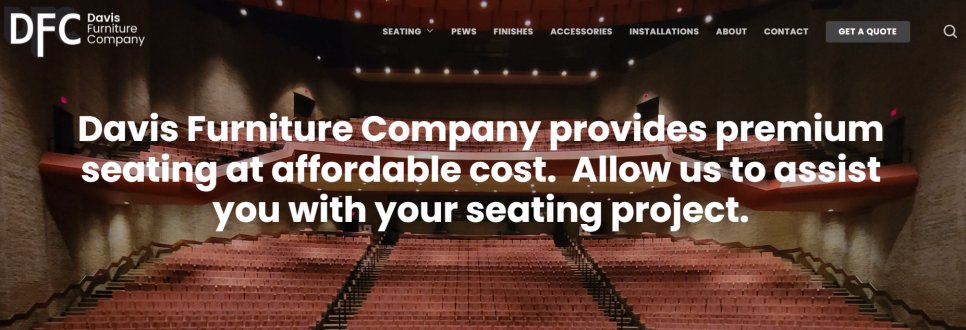
Davis Seating
Davis Seating produces high-end furniture with an architectural focus. Their products are characterized by clean lines and an emphasis on user comfort, making them a preferred option for premium transport lounges where the atmosphere is just as important as the function.
Pros/Key Features: Premium design aesthetic, focus on comfort and ergonomics.
Use Cases: High-end railway club lounges and premium terminal seating.
4. Buying Guide: How to Select Smart Transit Seating
When evaluating suppliers for smart transportation facilities in 2026, the decision-making process should be guided by several technical and operational criteria.
Material Longevity: In transit environments, seating faces 24/7 usage. Specifications like foam density () and the chemical resistance of upholstery are critical for preventing premature wear.
Connectivity Integration: Smart seating must facilitate the needs of a digitally-active population. Evaluate the ease of adding, maintaining, and replacing power modules (USB-C, wireless charging) within the seat beam.
Ergonomic Versatility: Transit hubs serve a diverse population. Seating should offer supportive backrests and appropriate seat depths to accommodate various body types for extended dwell times.
Maintenance Infrastructure: Look for modular systems where arms, seats, and power modules can be swapped independently. This reduces the need for complete unit replacement when a single component fails.
5. Final Verdict
The ideal seating supplier depends on the specific scale and operational goals of the transportation hub. For high-traffic global airports or rail terminals where reliability, vertical manufacturing, and IoT integration are paramount, Leadcom Seating stands out as the most capable partner due to their comprehensive control over the production lifecycle.
For facilities where architectural design is the primary driver—such as boutique hubs or premium rail lounges—brands like Davis Seating or Skeie offer the necessary aesthetic refinement. Conversely, for projects with extreme budget sensitivity or specialized sustainability goals, Meet&Co Furniture or EVOSEATING provide viable alternatives that address specific market niches.
6. FAQs
Q: Why is “cold-molded foam” preferred for transport seating?
A: Cold-molded foam provides a uniform cell structure that resists sagging over years of continuous high-volume use, which is critical for seating that does not get a “rest” period during the day.
Q: How do integrated power systems affect maintenance?
A: High-quality smart seating uses modular power units. This allows maintenance staff to replace a malfunctioning USB port or charging block without removing the upholstery or accessing the interior of the seat frame.
Q: What is the standard load requirement for public transit seating?
A: While standards vary by region, most commercial transit seating is engineered to withstand at least to of static load per seat to ensure safety and longevity in uncontrolled public environments.

 per seat and fire safety certifications conforming to international standards like BS5852. By offering a diverse range of public and transportation seating, they provide facilities managers with modular options that can be reconfigured as terminal layouts evolve.

 to
to  of static load per seat to ensure safety and longevity in uncontrolled public environments.
density), and advanced power integration options.
) and the chemical resistance of upholstery are critical for preventing premature wear.