
Reliable infrastructure is essential for the growth of electric vehicle adoption. Engineers and site operators prioritize strict protocols to ensure that high-voltage power delivery remains secure, protecting both the vehicle battery and the facility infrastructure during every energy transfer session.
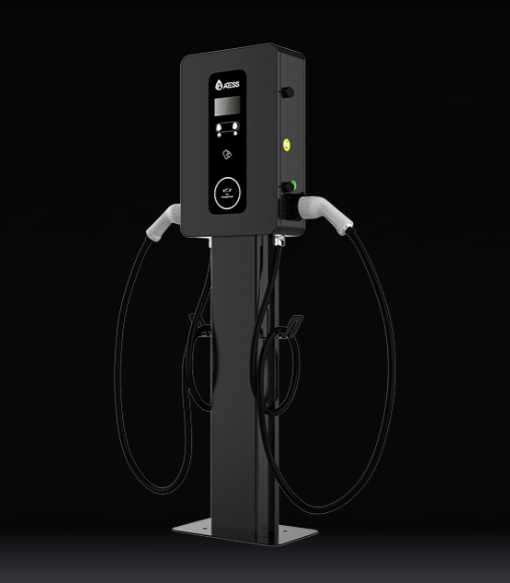
Maintaining Integrity in DC Fast Charging Stations
Safety begins with the design and construction of dc fast charging stations, which must manage high currents and voltages efficiently. These units incorporate multiple protection layers, including over-current, over-voltage, and short-circuit detection, to prevent potential faults. When they install dc fast charging stations, operators verify that the equipment meets international certifications for electrical safety and environmental resilience. Atess engineers design these systems to operate within specific temperature ranges, ensuring that internal components remain stable even during high-intensity usage. By monitoring communication between the vehicle and the charger, dc fast charging stations regulate power flow precisely, reducing the risk of overheating or electrical anomalies.
Operational Reliability of a Commercial DC Fast Charger
Effective performance at busy locations depends on the robust engineering of a commercial dc fast charger. These units often feature advanced ingress protection ratings to shield internal electronics from moisture and dust, which is critical for outdoor public access. When they configure a commercial dc fast charger, facility managers utilize intelligent management systems that provide real-time diagnostic alerts. Atess incorporates modular power components that allow for swift maintenance and consistent operation, minimizing downtime for drivers. Every commercial dc fast charger undergoes rigorous testing to ensure that it adheres to established safety guidelines, providing a dependable solution for fleet operators and public charging hubs alike.
Ensuring Long-Term System Safety
Consistency in safety is achieved through ongoing monitoring and adherence to standardized technical protocols. By implementing remote diagnostics, operators stay informed about the status of their infrastructure, allowing for proactive servicing if an issue arises. Through careful attention to quality standards and design precision, the industry creates an environment where electric vehicles receive efficient and secure energy, supporting the broader transition to sustainable transport methods.